Oh, Juan...!
The idea of slavery being pervasive in XVII century Spain is nothing new, right? We are all aware that colorism, castes and subjugation basically created what Europe was at the time. What called my attention here is that Velázquez freed de Pareja right after his portrait was painted.
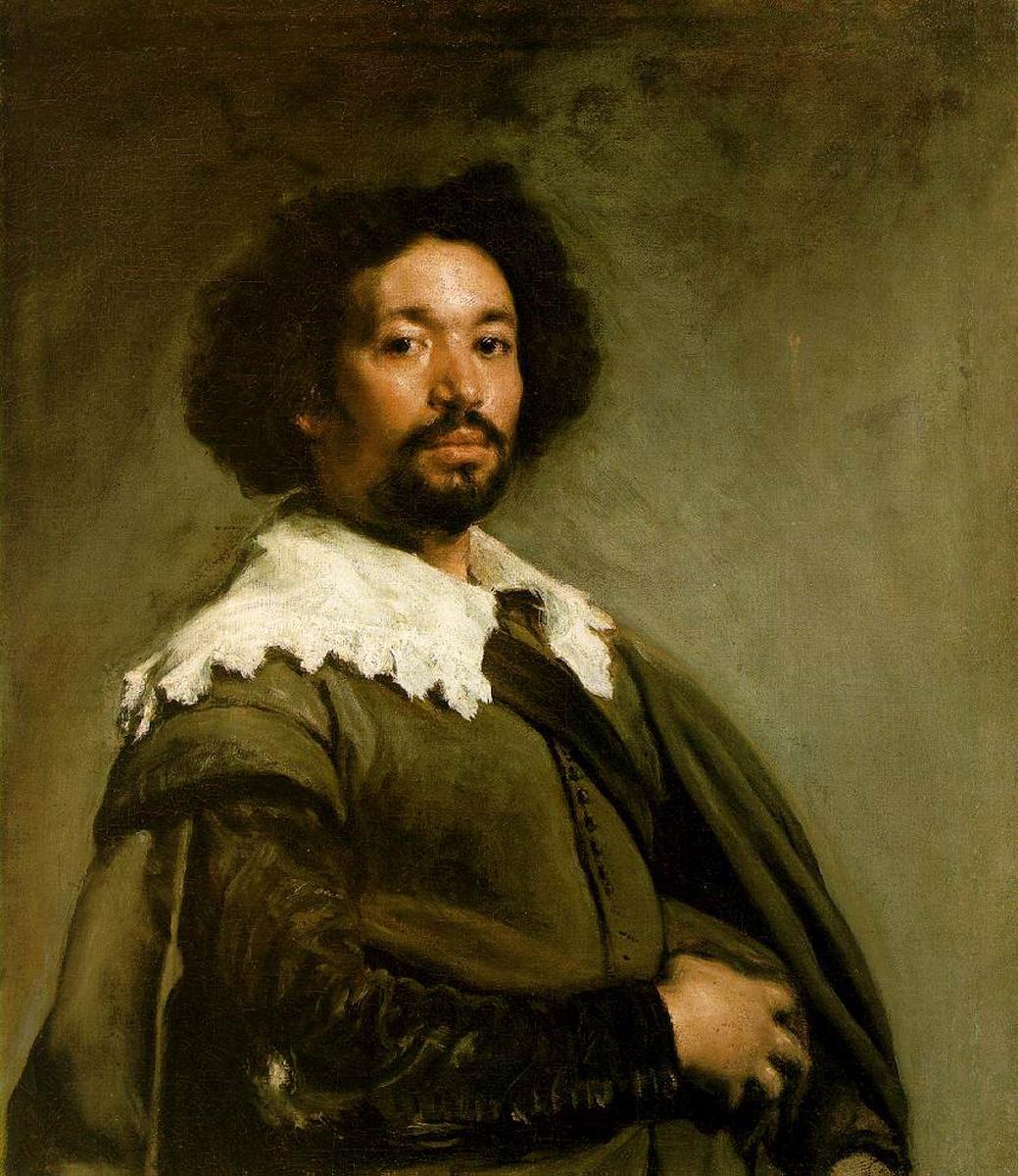
Juan de Pareja was Diego Velázquez slave for twenty years. The men were close in age (Velázquez was about nine years older), they traveled together throughout Europe and lived and worked under the same roof. De Pareja was a de facto apprentice, helping with the paints and canvases that would make Velázquez famous. And then Velázquez freed him. De Pareja then would become a painter himself after that, given that a freed man could actually do that in Spain at the time but my question is... why? What could have caused Velázquez change of heart?
Was there more there...?
XOXO
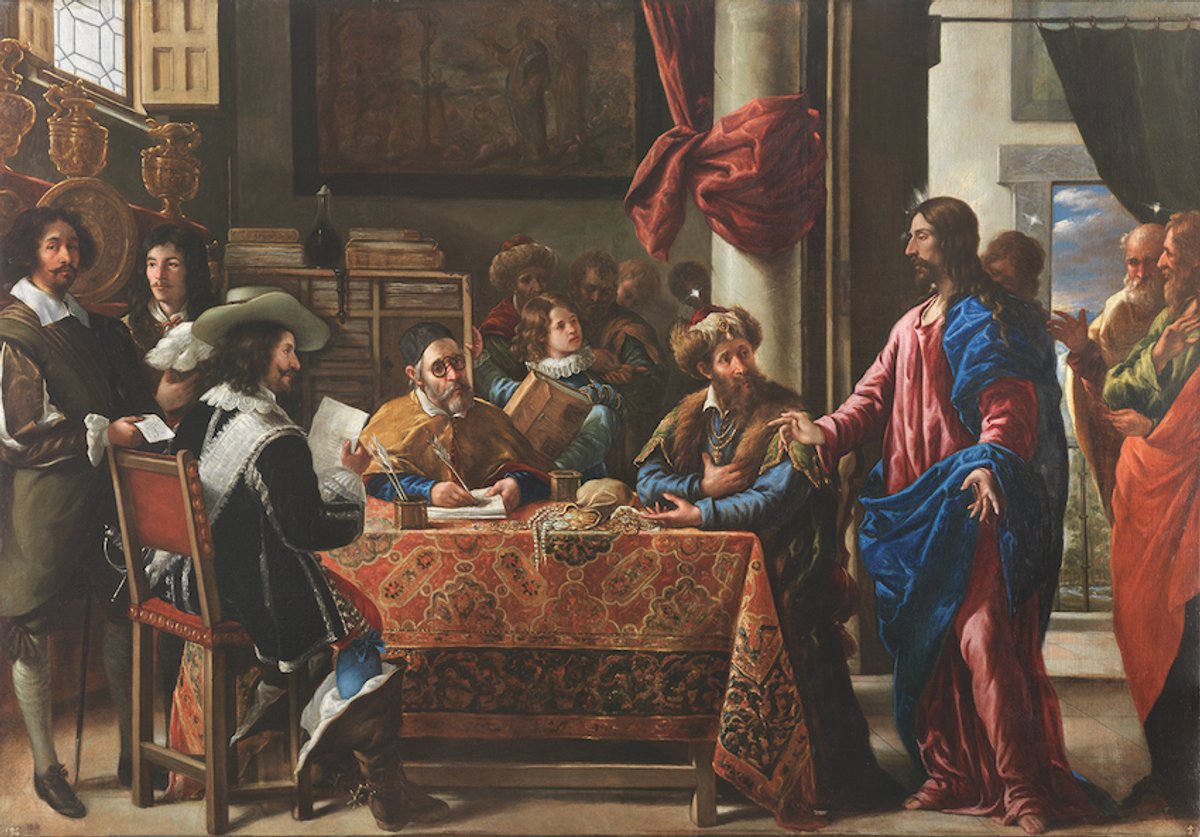
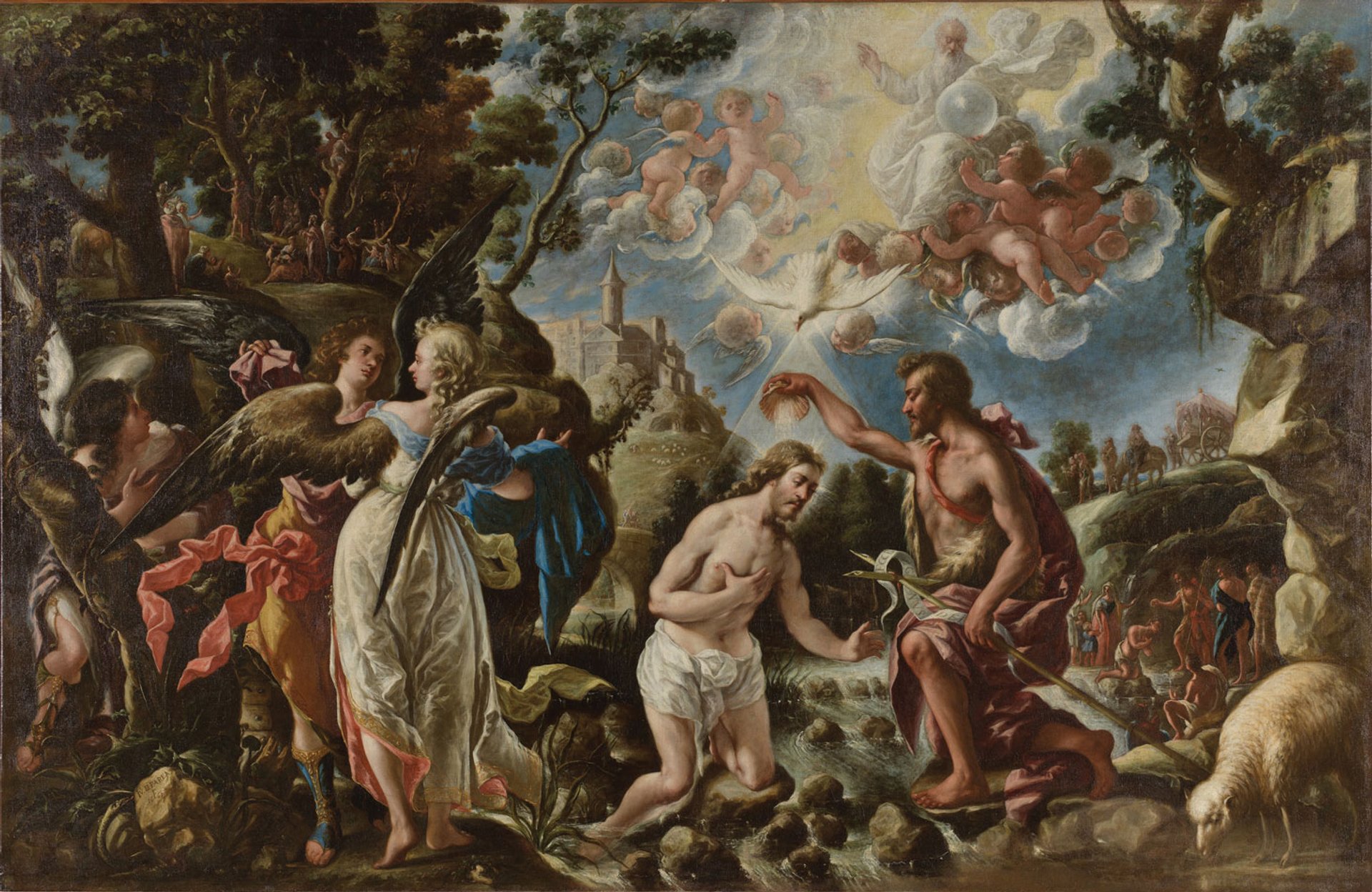
P.S. De Pareja's art:


Big says,
ReplyDeleteUm... Okay, I fully understand what this dude - this seller of lithos of masterpieces - is trying to say. I get it. The beauty, the mastery, was possible only because of an enslaved person. Well, that's true of things like the great pyramids, the basilicas of Rome and the Vatican, probably the great ruins of ancient Greece. We should acknowledge that. But likening the freeing of this man because Velaquez somehow finally saw humanity in the eyes of the painting? It doesn't matter why. What matters is that the act enabled the world to see the mastery and artistry of Pereja.
As this seller, making money off that same formerly enslaved artist, moves to our modern world and tries to shame us for drinking coffee grown, or clothing and other items we use on the daily, in other parts of the world using what we here in the US consider "slave labor wages," we are also a society who refuses to pay what it would take for those workers to make what we would consider "a living wage." Shit, we don't even want to increase the minimum wage here in the US. Raise the min. to $15/hr? Hah. It would take $25/hr to live on a single paycheck at today's costs. What do we imagine would be the result of doing that? The problem is greed. The owners and CEO and stockholders would demand price increases in order to maintain their own stand of living. It's a fucking vicious circle.
Then again, I could be wrong and full of shit.
XOXO
P.S. Sorry for the rant.
Oh, rants are always welcome!
DeleteAnd I think Velázquez DID see the man when he completed the painting (which did not stop him from having Juan carry his own portrait all around to show it off.
XOXO
Interesting video! I knew none of this, but glad to know the story now.
ReplyDeleteI was fascinated.
DeleteI've seen Las Meninas and it is GLORIOUS. The man was genius with colors and that style!
XOXO
Of course, I had to do some research. Starting in the 12th century many European countries began eliminating slavery. In the 1300s France did so with a big proclamation. Slavery was actually transitioning to serfdom. There were a lot of indentured people, but slavery in itself was not pervasive. This was partly because of religion, for example, a catholic could not own a slave who was catholic, and Pereja did convert from Islam to Catholicism. One of the things that complicates this thesis is that too many people confuse the slavery that was present in Europe with American plantation slavery and the two were totally different.
ReplyDeleteCorrect.
DeleteSpain kept slavery until the beginning of the 18th century, though. It took a little longer to get to the colonies. And slavery WAS different in Europe, but it was subjugation nonetheless...
XOXO
I learned about this portrait and De Pareja during my studies. I have always loved this portrait.
ReplyDeleteThat he got to be a well-recognized artist on his own merits is fabulous!
DeleteI also love how he painted himself in that top one. Very of the time.
XOXO
Could they have been lovers?
ReplyDeleteBabes, that WAS my first question!
DeleteVelázquez got married and all, but that was not an impediment! I wonder if there was a gay love story there somewhere....
XOXO
En España, bajo la Corona y la Iglesia, todos eran meros esclavos.
ReplyDeletePara el arte español- El Prado, Cason del Buen Retiro, Museo Reina Sofia y Museo Thyssen-Bornemisza en Madrid, Colleción Wallace en Londres, Museo del Historia de Arte en Viena, Museo de Bellas Artes en Budapest y Alte Pinakothek en Múnich.
Todos ellos son una visita obligada para ver a los maestros del arte español.
🇪🇸 :)
Correcto.
DeleteInclusive Velázquez tuvo que volver a España cuando se lo ordenó la corona. Uno de mis sueños es visitar El Prado, si soy honesto. Está en mi lista de cosas por hacer...
XOXO